Local Storage seems to be disabled in your browser.
For the best experience on our site, be sure to turn on Local Storage in your browser.

Search Engine Optimization Key Tips


Top 10 and Most Popular Body Washes in the World
April 26, 2023



Amazon Prime Air: Deliveries by Drone - A Complete Guide
April 30, 2024

10 Proven Strategies to Boost Sales and Drive Revenue Growth
April 24, 2025

ChatGPT vs. DeepSeek: Comparing Leading AI Chatbots
February 14, 2025

Ford Bronco 2025: What’s New in the Iconic Adventure SUV
January 11, 2025

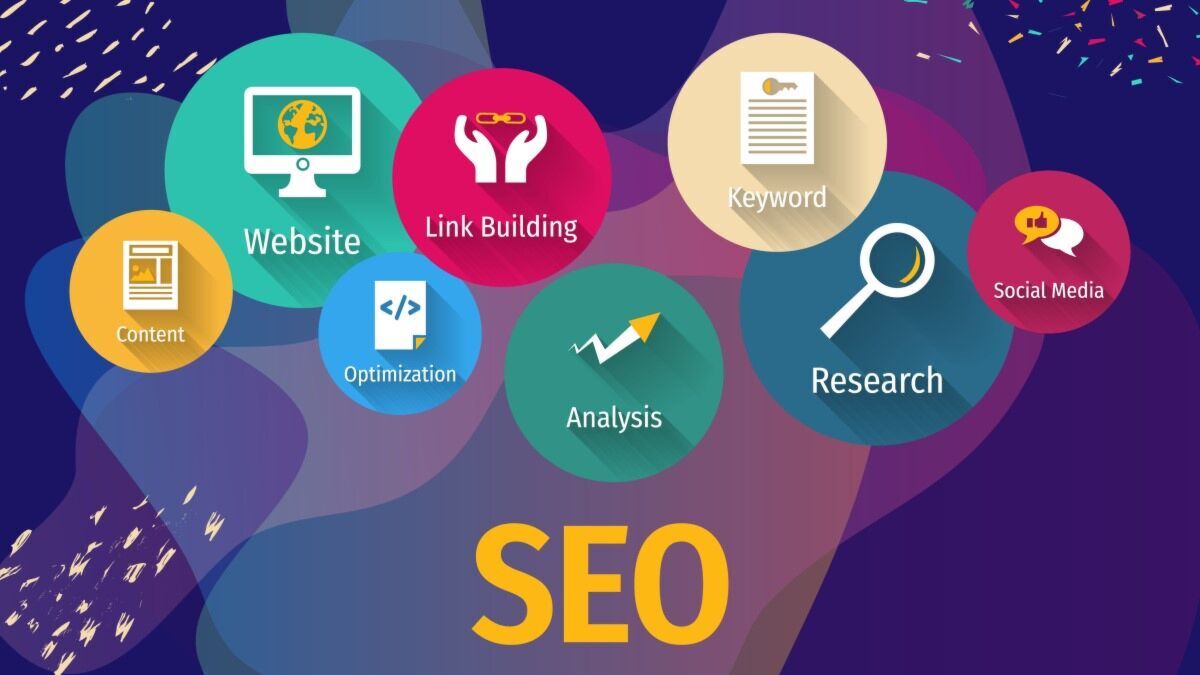
Search engine optimization (SEO) is a crucial practice for businesses to improve their online visibility and increase their website traffic. Here are some top solutions for optimizing your website
for search engines, along with some key tips:

1. Conduct Keyword Research: Research the keywords and phrases your potential customers are searching for in Google. Use tools such as Google Keyword Planner and SEMrush, and target long-tail keywords for better ranking opportunities.

2. Improve Website Structure: Have clear and concise page titles, use descriptive meta descriptions for each page, and include relevant headers and subheaders (H1, H2, H3) for better on-page optimization.

3. Optimize for Mobile Devices: Ensure your website is optimized for mobile devices and is responsive across all screen sizes. Use Google's Mobile-Friendly Test tool to check your site's mobile optimization.

4. Optimize Your Content: Write high-quality, informative content that answers your users' questions and provides value. Also, optimize your content with targeted keywords, relevant multimedia, and internal links.

5. Build High-Quality Backlinks: Build high-quality backlinks from reputable, relevant sources. Reach out to websites that share similar content or topics and request a backlink. Use tools like Moz and Ahrefs to analyze your backlink profile and identify any low-quality links that may be hurting your ranking.
6. Ensure Fast Page Speed: Optimize your website's page speed by compressing images, minimizing unnecessary code, and leveraging caching techniques. Use tools such as Google PageSpeed Insights to analyze and optimize your website's loading time.
7. Leverage Social Media: Utilize social media platforms (Facebook, Twitter, LinkedIn, etc.) to promote your content and build a social following. Engage with your followers and drive traffic back to your website.
8. Monitor Your Analytics: Regularly monitor your website's analytics to understand your traffic sources, user behavior, and conversion rates. Use this data to make informed decisions about future optimization strategies.

Overall, SEO is an ongoing process that requires consistent effort and dedication. By implementing these top solutions and key tips, businesses can improve their website's visibility, attract more organic traffic, and ultimately increase their online revenue.

It's important to remember that SEO is not a one-time task, but rather a continual process that requires monitoring, tweaking, and experimenting to ensure your website stays at the top of search engine results pages. By staying up-to-date with the latest trends and algorithms, and incorporating these best practices, businesses can remain competitive in the ever-changing digital landscape.
July 4, 2023
|
View: 27
| Tags: <a class="mp-info" href="https://www.bestmarket.us/blog/tag/search.html">search</a>, <a class="mp-info" href="https://www.bestmarket.us/blog/tag/seo.html">SEO</a>, <a class="mp-info" href="https://www.bestmarket.us/blog/tag/searchengineoptimization.html">SearchEngineOptimization</a>
Did you find it helpful?
LIKE
DISLIKE



Comments